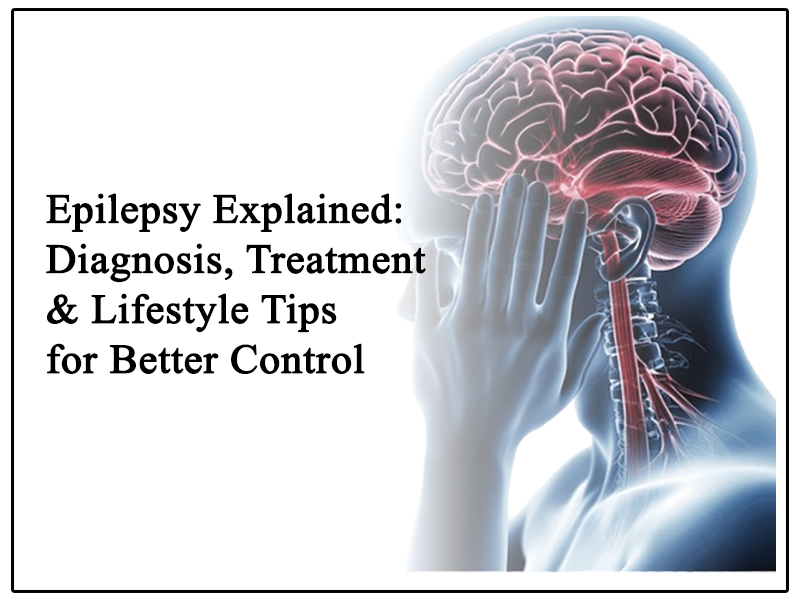
Epilepsy Explained: Diagnosis, Treatment & Lifestyle Tips for Better Control
Epilepsy is a chronic neurological condition that affects millions of people worldwide. It is often misunderstood, leading to fear and delayed treatment. With proper diagnosis and care, epilepsy can be effectively managed, allowing patients to lead a normal and active life.
What is Epilepsy?
Epilepsy is a neurological disorder characterized by recurrent, unprovoked seizures. These seizures occur due to abnormal electrical activity in the brain, affecting behavior, movements, and consciousness.
Common Symptoms of Epilepsy
Symptoms can vary depending on the type of seizure, but common signs include:
- Sudden jerking movements of arms and legs
- Loss of consciousness or awareness
- Temporary confusion or staring spells
- Uncontrolled body movements
- Sudden fear, anxiety, or unusual sensations
Causes of Epilepsy
Epilepsy can have different underlying causes, including:
- Brain injury or trauma
- Stroke
- Brain infections
- Genetic factors
- Tumors or structural abnormalities in the brain
In many cases, the exact cause may not be identified.
How is Epilepsy Diagnosed?
Accurate diagnosis is essential for effective treatment. A neurologist may recommend:
- Detailed medical history and physical examination
- Brain imaging tests (MRI or CT scan)
- Electroencephalogram (EEG) to monitor brain activity
Early and correct diagnosis helps in better seizure control and improved outcomes.
Treatment Options for Epilepsy
Epilepsy treatment focuses on controlling seizures and improving quality of life.
1. Medications
Anti-epileptic drugs (AEDs) are the most common treatment and help control seizures in most patients.
2. Advanced Therapies
In some cases, advanced treatments such as nerve stimulation or surgery may be considered.
3. Lifestyle Management
Healthy lifestyle habits play a crucial role in reducing seizure frequency.
Lifestyle Tips for Better Control
Managing epilepsy requires both medical treatment and lifestyle adjustments:
- Maintain a regular sleep schedule
- Take medications exactly as prescribed
- Avoid stress and anxiety
- Limit alcohol and avoid smoking
- Stay physically active
- Avoid known seizure triggers
When to Consult a Neurologist?
You should seek medical advice if:
- You experience seizures for the first time
- Seizures become frequent or severe
- Medication is not controlling symptoms
- You notice unusual neurological symptoms
Expert Epilepsy Care in Moradabad
Dr. Zubair Ahmad Khuja provides comprehensive epilepsy care with a focus on accurate diagnosis, personalized treatment, and long-term management. His patient-centered approach ensures better seizure control and improved quality of life.
Living with Epilepsy
With the right treatment and support, people with epilepsy can live full and productive lives. Awareness, early diagnosis, and regular follow-up are key to effective management.
Conclusion
With the right treatment and support, people with epilepsy can live full and productive lives. Awareness, early diagnosis, and regular follow-up are key to effective management.
Call to Action
Don’t ignore the symptoms of epilepsy.