 May 29, 2026
 Dr. Ashima Mehta
Signs, Symptoms, Causes & Early Support Every Parent Should Know
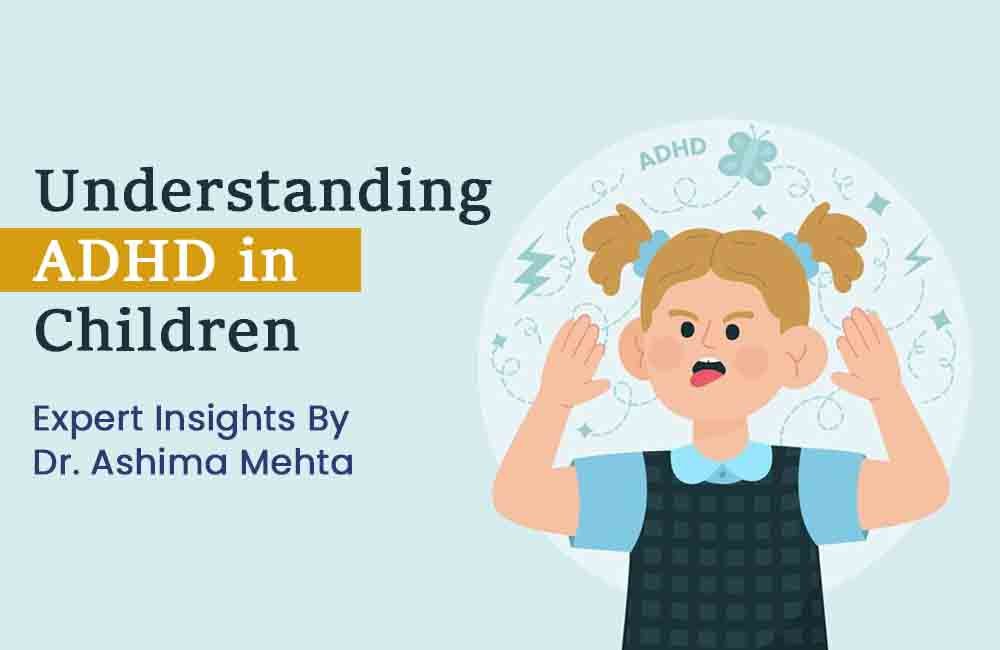
Attention Deficit Hyperactivity Disorder (ADHD) is one of the most common neurodevelopmental conditions seen in children today. Attention Deficit Hyperactivity Disorder It affects a child’s ability to focus, control impulses, stay organized, and manage hyperactive behavior. While many children may occasionally seem inattentive or energetic, persistent symptoms that interfere with school, social life, and daily activities may indicate ADHD.
Understanding ADHD in children at an early stage can help parents seek timely intervention and support for better developmental outcomes.
What is ADHD?
ADHD is a brain-based developmental disorder that commonly begins during childhood. It can affect academic performance, emotional regulation, communication, and relationships with family and friends. The condition is generally categorized into three main types:
- Inattentive Type
- Hyperactive-Impulsive Type
- Combined Type
Each child may experience symptoms differently depending on their age and developmental stage.
Common Signs and Symptoms of ADHD in Children
1. Difficulty Paying Attention
Children with ADHD may struggle to focus on tasks, follow instructions, or complete schoolwork. They are often easily distracted and may frequently forget daily activities or lose personal belongings.
2. Hyperactive Behavior
Excessive movement is another common sign. Children may constantly fidget, run around, talk excessively, or find it difficult to remain seated for long periods.
3. Impulsive Actions
Impulsivity may appear as interrupting conversations, answering questions before they are completed, or difficulty waiting for their turn during activities and games.
4. Poor Academic Performance
ADHD can impact learning and concentration in school. Many children may struggle with organization, time management, and completing assignments on time.
5. Emotional and Social Challenges
Some children with ADHD experience frustration, mood swings, low self-esteem, or difficulty maintaining friendships due to impulsive behavior and communication difficulties.
What Causes ADHD?
The exact cause of ADHD is not fully understood, but research suggests that genetics, brain development, and environmental factors may contribute. Premature birth, low birth weight, and family history may increase the likelihood of developing ADHD.
It is important to understand that ADHD is not caused by poor parenting or excessive screen time alone.
Recent Blogs
-
 Understanding ADHD in Children
-
Early Signs of Autism Every Parent Should Know
-
When Should Parents Worry About Speech Delay?